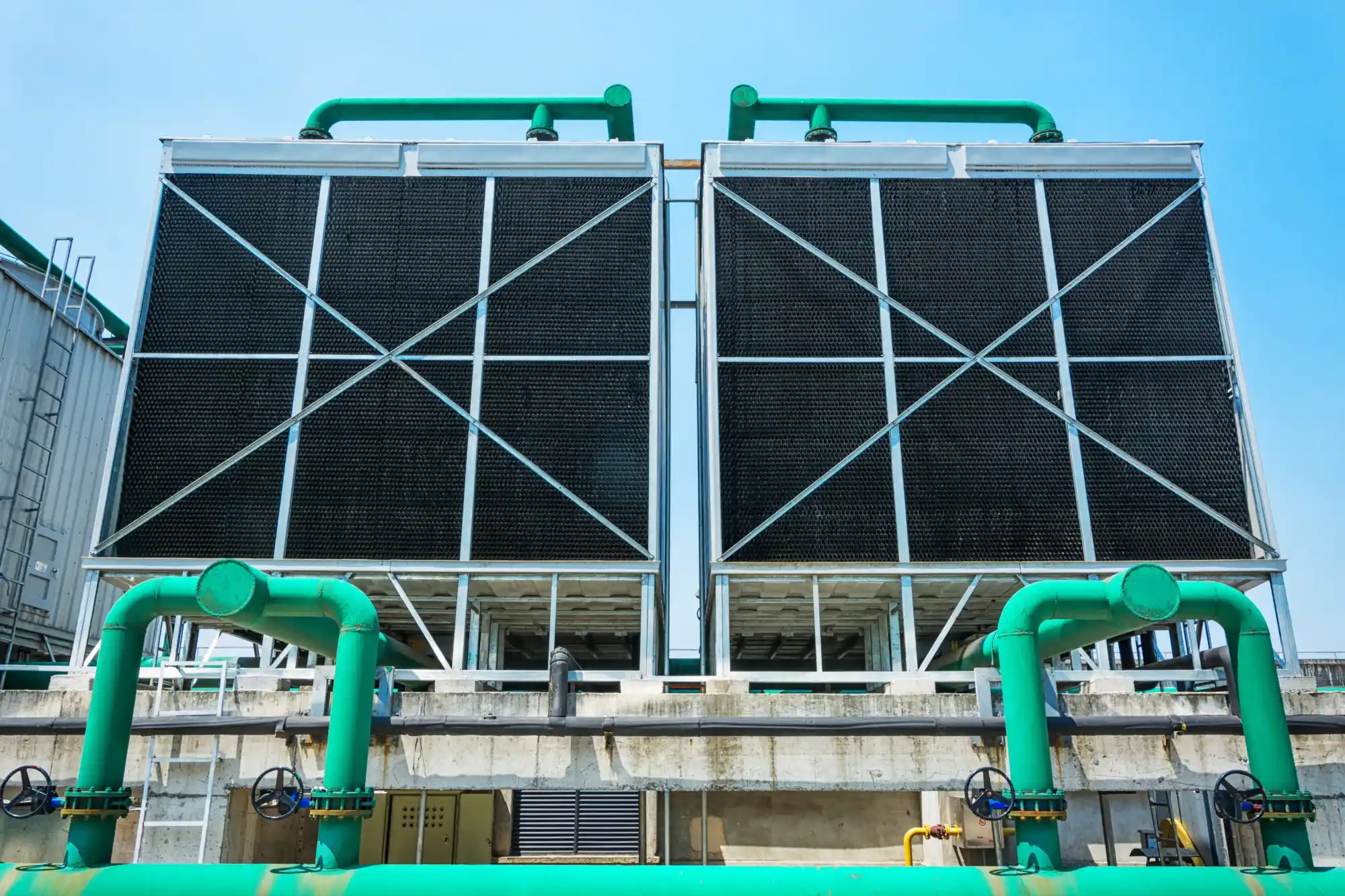
Energy efficiency is often discussed at the equipment level: HVAC units, chillers, pumps, controls, or district cooling systems. These are important, but energy performance starts earlier.
Building envelope, roof surface temperature, insulation, heat gain, coating systems, operating profile, and cooling demand all affect the final energy equation.
A project may select efficient cooling equipment but still carry unnecessary load because envelope or roof heat gain has not been addressed. A brownfield asset may not need only equipment replacement; it may need demand reduction, cool roof evaluation, insulation review, controls optimisation, or district cooling compatibility assessment.
This is why cool roof solutions, energy-saving coatings, thermal insulation, HVAC, and district cooling should not be viewed separately.
They are connected.
The strongest energy decisions usually consider:
- building envelope condition
- roof heat gain
- insulation performance
- cooling demand
- equipment efficiency
- district cooling compatibility
- operating cost
- maintenance impact
- lifecycle value
In hot climates such as the UAE and wider Middle East, these decisions become more important because cooling demand directly affects operating cost and infrastructure performance.
PSS supports energy-efficiency thinking by connecting technical experts, coating and insulation solutions, HVAC and district cooling knowledge, procurement support, and lifecycle value assessment.
The objective is to support solutions that are not only technically possible, but commercially practical and operationally meaningful.
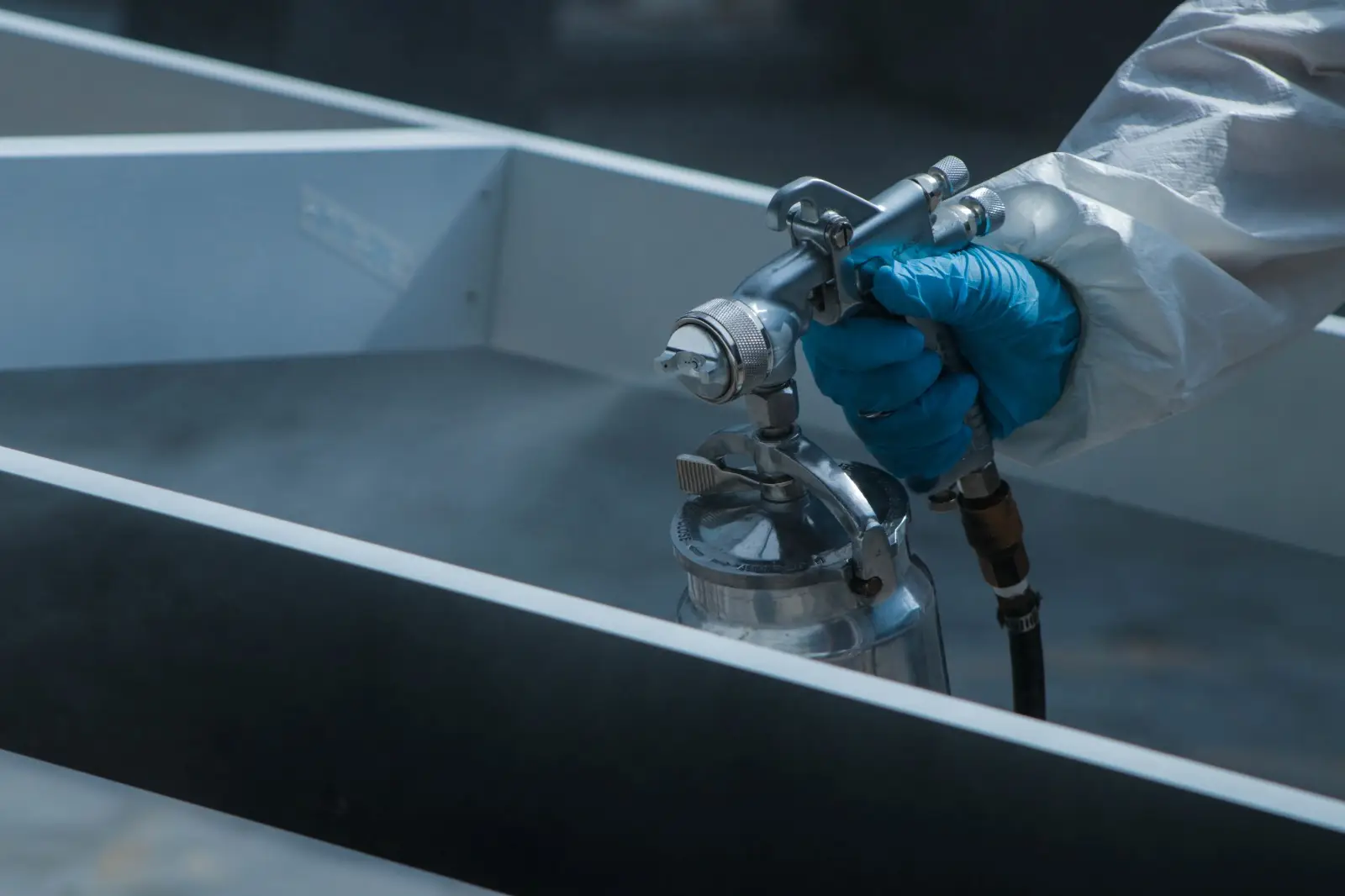 Coatings & Asset Performance